Three young women from Ho Chi Minh City came down to Buon Don on a Saturday morning.
Before the trip they were told a few things: the elephants here roam freely in the forest — no riding, no touching, no shows — and part of the tour fee flows back to elephant welfare and to the mahout families. Simple in theory. But the moment they stepped into the dipterocarp forest, everything slowed down on its own.
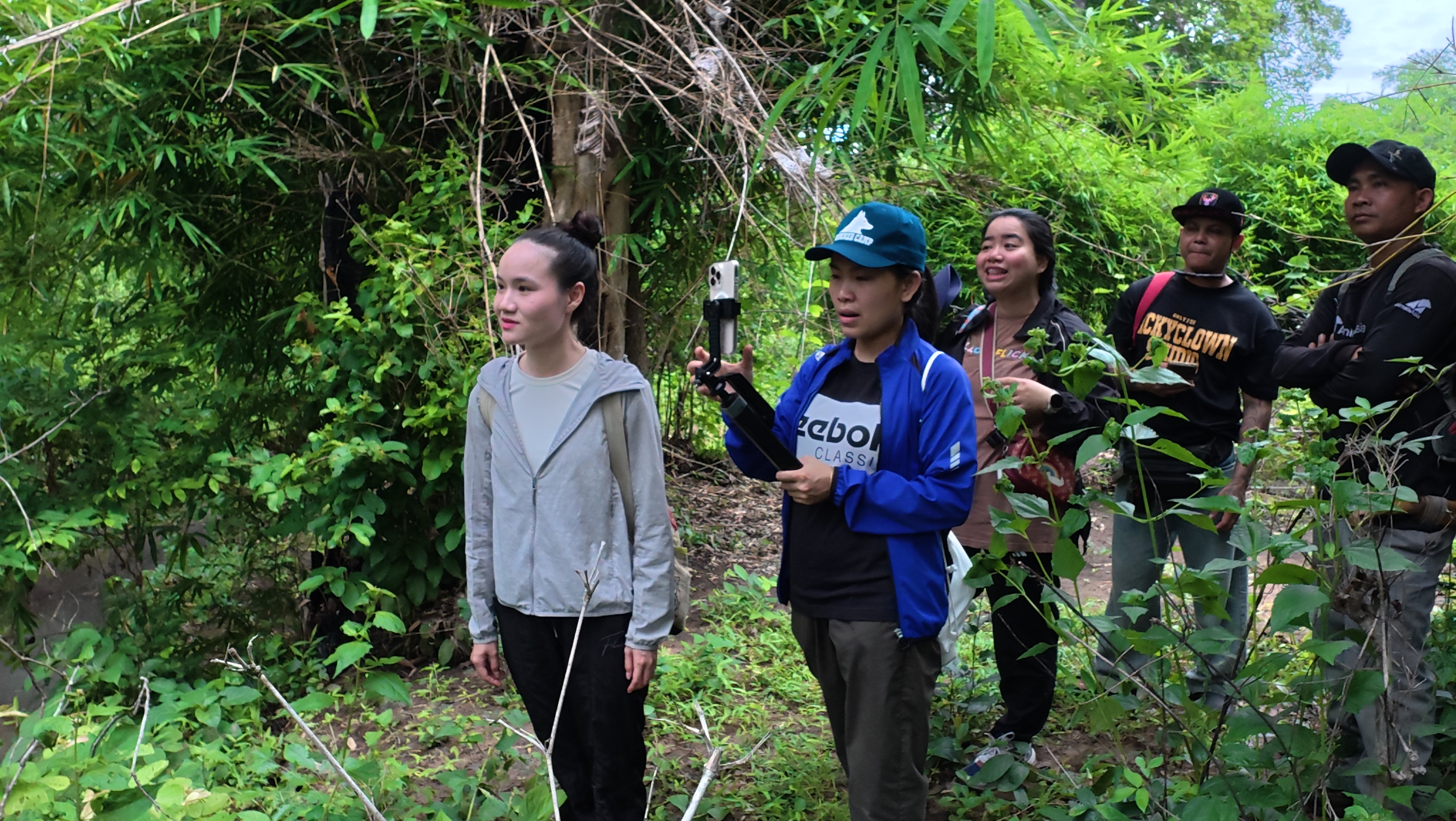
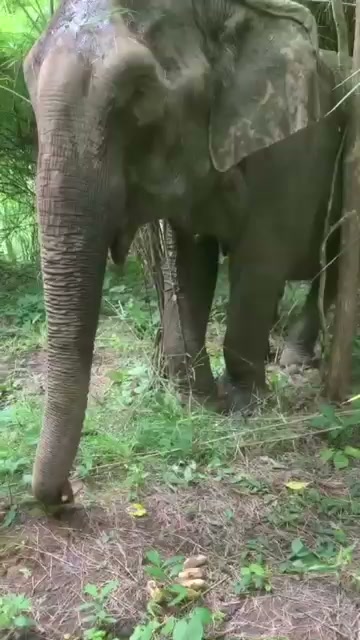
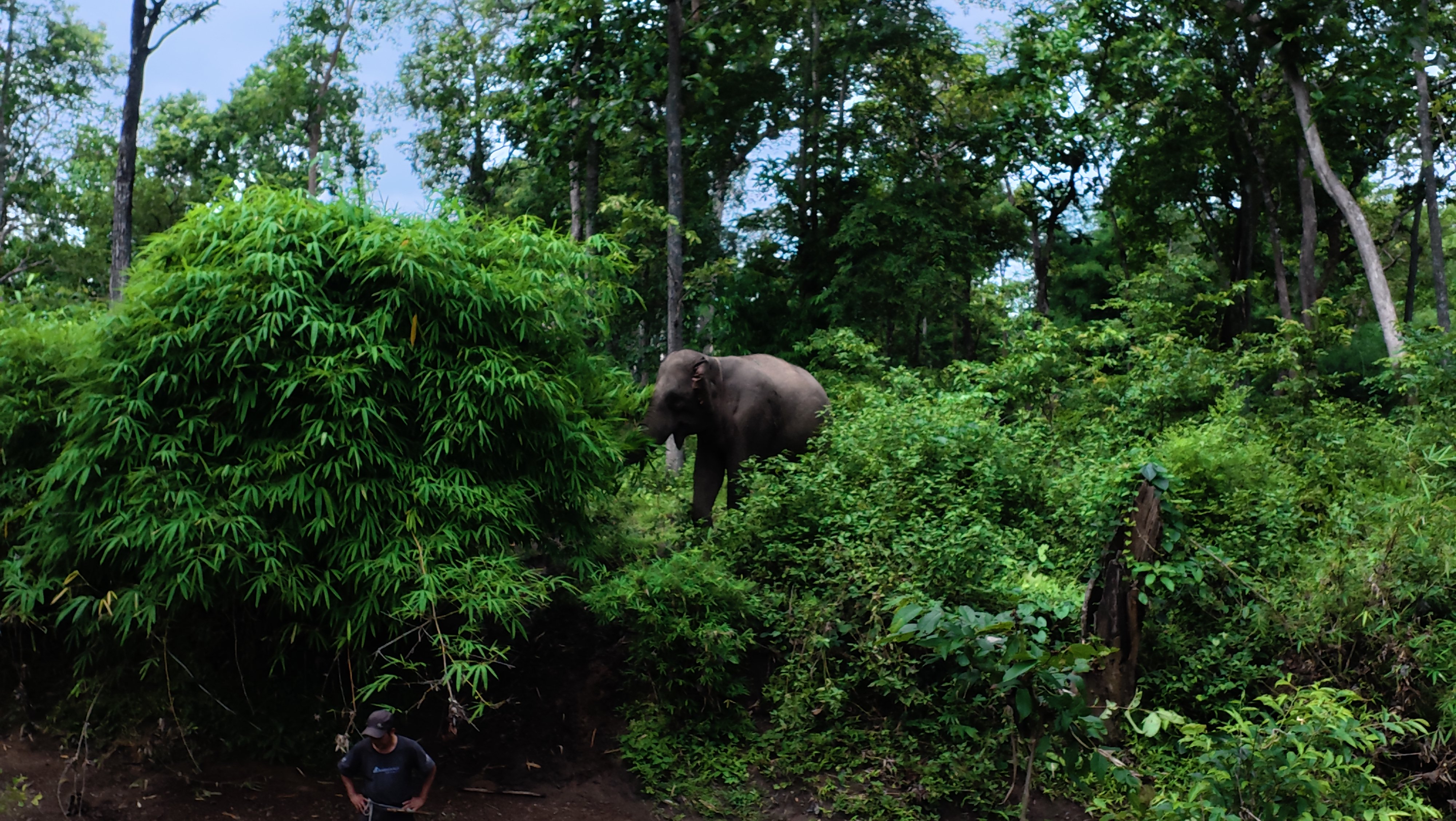
Fifteen paces away, an elephant
About fifteen paces ahead, an elephant was slowly wrapping leaves around its trunk.
No one spoke. No one lifted a phone. Just the crunch of dry leaves underfoot, and the low, slow rumble of the elephant humming through the forest — a sound that is hard to describe, one you feel in your chest before you can name it.
The elephant was not looking at the guests. It was busy with its breakfast: choosing branches, stripping leaves, chewing without hurry. This is what Buon Don is quietly choosing to become — no riding, no touching, no performing. Guests simply walk alongside from a safe distance, watching the elephant eat, choose its own path, and live as an elephant should.
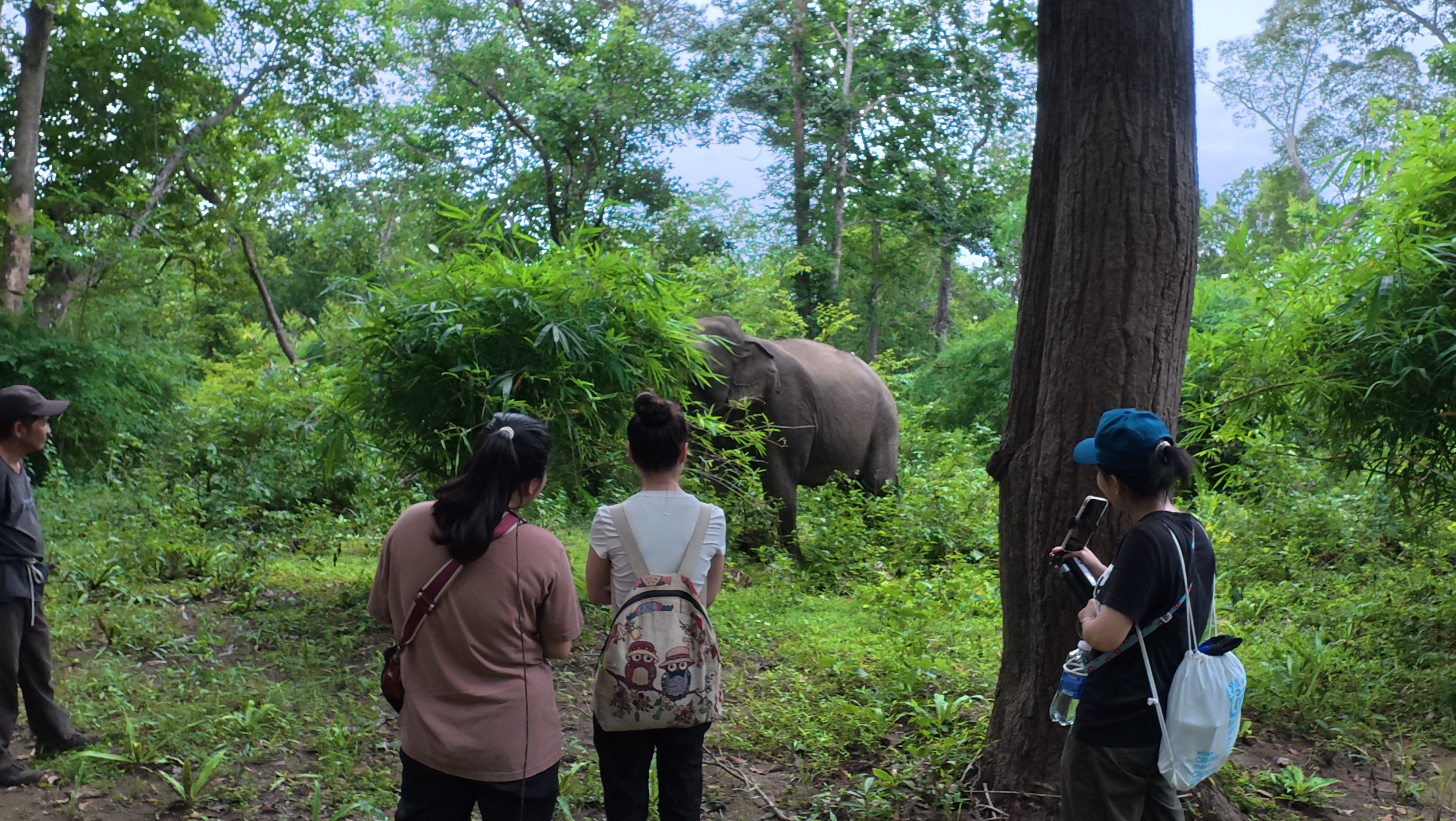
Three generations, one elephant
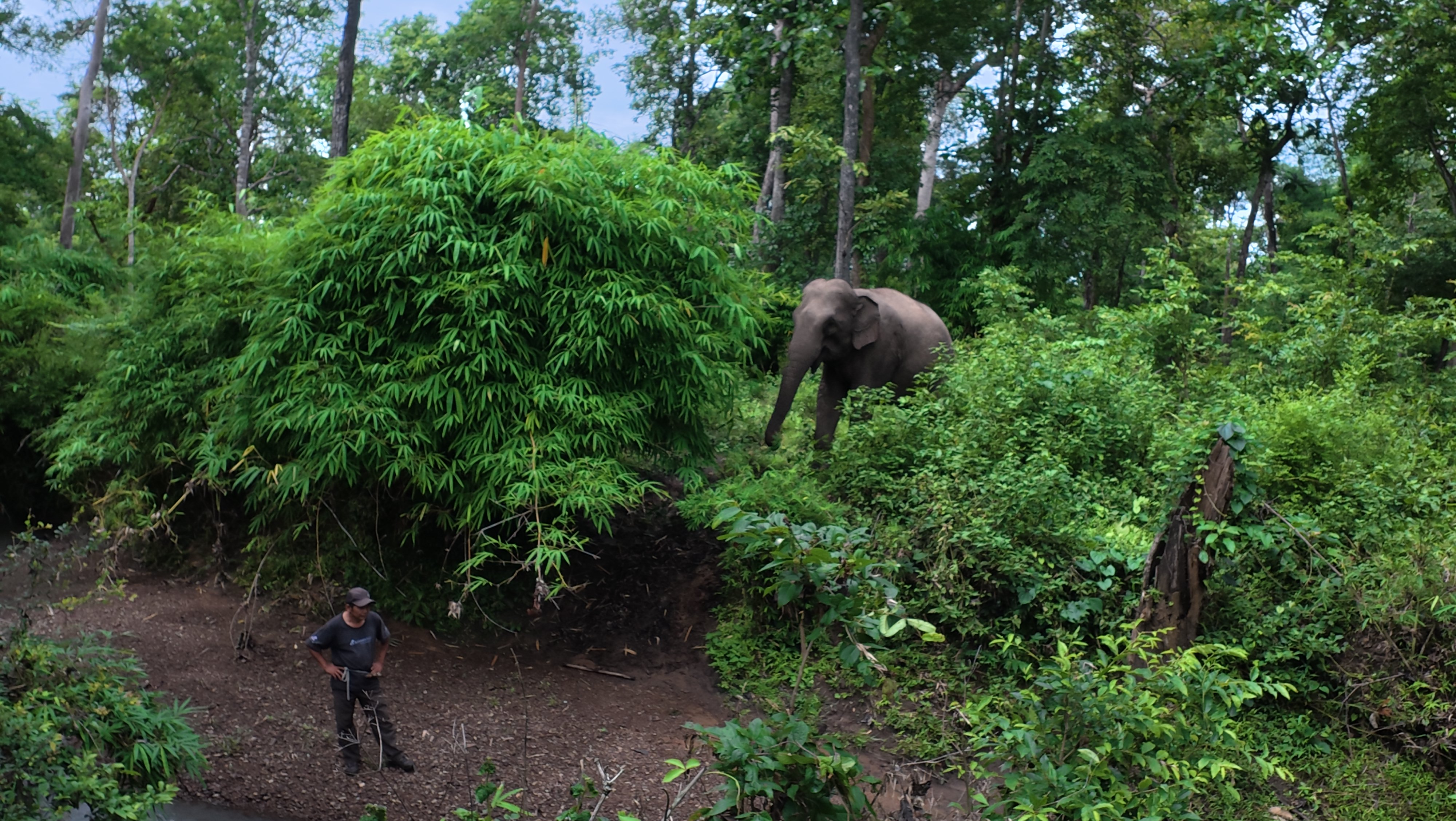
The M'Nong mahout walking with the group said his family had walked with this elephant for three generations. His grandfather, his father, then him.
No iron hook. No stick. Just enough shared time for the elephant to recognise the voice and the smell of family.
He spoke softly, almost in a whisper, careful not to startle her. She had known him since he was a small boy. Now, when he leads her through the forest, he does not need to steer anything, only to walk beside her. In this newer model of tourism in Buon Don, the mahout is no longer "the man on the elephant's back steering tourists around." He returns to his traditional role — a companion, an observer of the elephant's health, a keeper of the cultural bond between the M'Nong community and the forest elephants.
Lunch in a longhouse
At noon the group ate in a Central Highlands longhouse.
Fresh bamboo rice just opened, grilled chicken fragrant with local basil, a mildly sour wild-leaf soup, and a small bowl of roasted sesame salt to dip the rice into. No menu. No prices on the wall. Everything cooked that morning by the host family.
Two M'Nong men sat at the far end of the longhouse — one with an old guitar, one with a small hand drum — and sang a few songs about the highland forests. No stage. No microphone. No "ethnic performance program." Just an ordinary noon in the village. Enough that no one in the group wanted to leave early.
Halfway through the meal, someone in the house said quietly, almost to themselves:
"Elephants are not for riding. Elephants are family."
Nobody asked the three young women to remember it. But probably they will — for longer than any photo they took that morning.
Passing through, lightly
Perhaps this is why more young travellers are finding Buon Don this way. Not to check off a new location, not to add another "unique experience" to a list, but to walk a little slower, listen a little more, and understand that travel is sometimes not about consuming a place — it is about learning to move through it lightly.
The elephant gets to be an elephant. The M'Nong people get to be themselves. Guests sit, eat, listen, and leave when they have had enough.
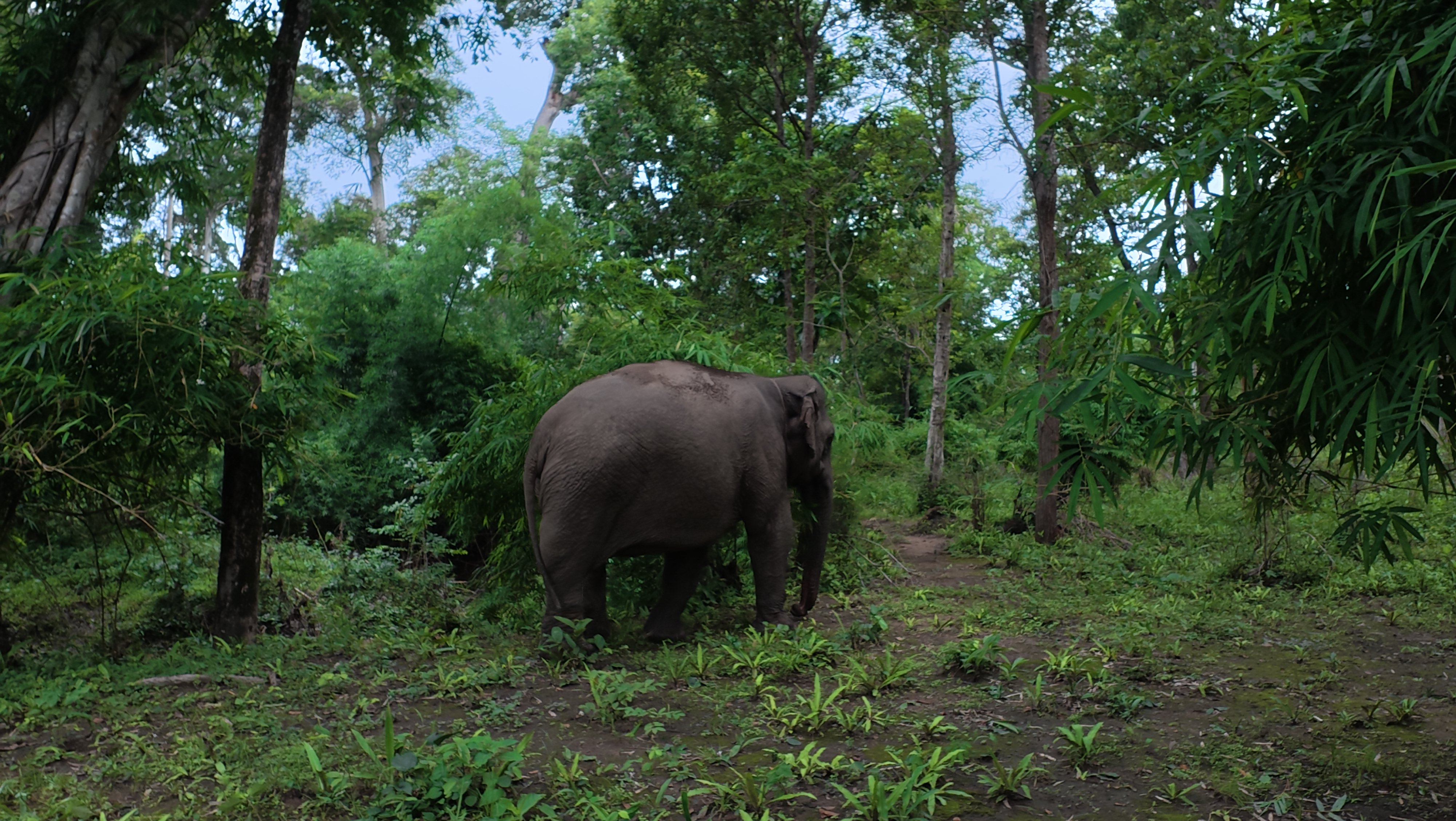
Lonature partners with elephant-friendly tourism models in Dak Lak — where elephants are free to roam the forest, local communities gain additional livelihoods, and the forest keeps breathing at its own pace.
If you would also like a morning like this — slow, quiet, and enough — write to Lonature. We keep our groups small so the elephants are not disturbed.