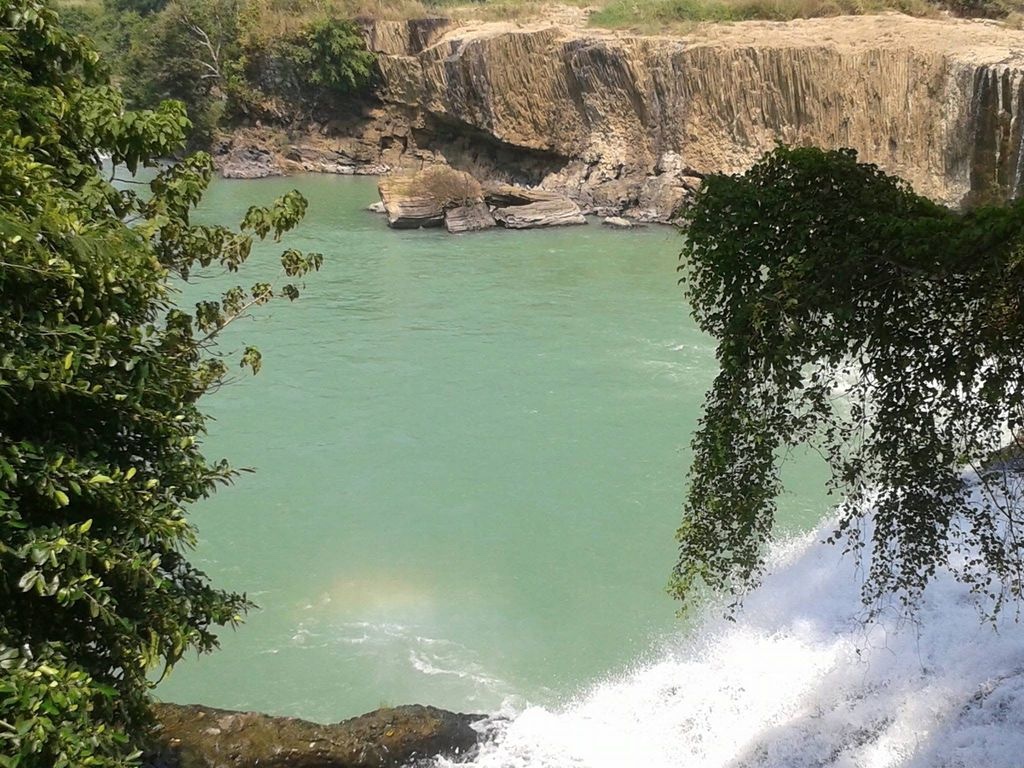
Barely an hour's drive out of Buon Ma Thuot, the highland opens onto a still sheet of water — as if someone had quietly turned down the volume of the city.
Locals call it Lak Lake. But stand long enough on its shore at first light, and you begin to understand why the M'Nông people have called it by many other names across the centuries — each name carrying a quiet reverence.
An hour out of the city
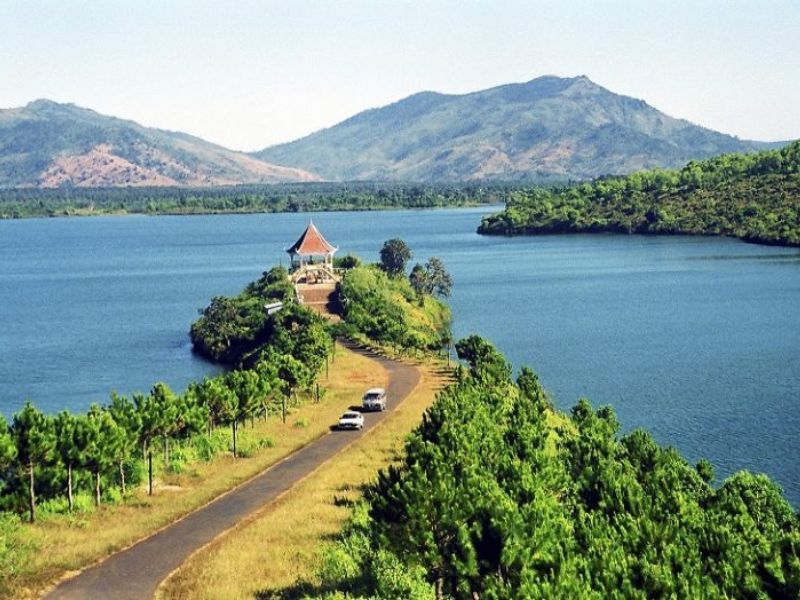
From Buon Ma Thuot, the drive is just over an hour. Not long enough to tire, but long enough for the mind to settle. Rooftops give way to emerald coffee fields, then to gentle slopes, then a bend — and Lak Lake appears on your left, its surface flat as a mirror.
Lak Lake is the second-largest natural freshwater lake in Vietnam, after Ba Be in the north. But that fact matters less than the feeling of standing on its shore at sunrise: dew still clinging to leaves, white herons flying low, and far in the distance, M'Nông stilt houses rising into the early light.
Meeting elephants — no chains, no saddles, no show
This is the part many travellers hesitate about when they hear "elephant tourism in Dak Lak" — and it is the part Lonature wants to tell honestly.
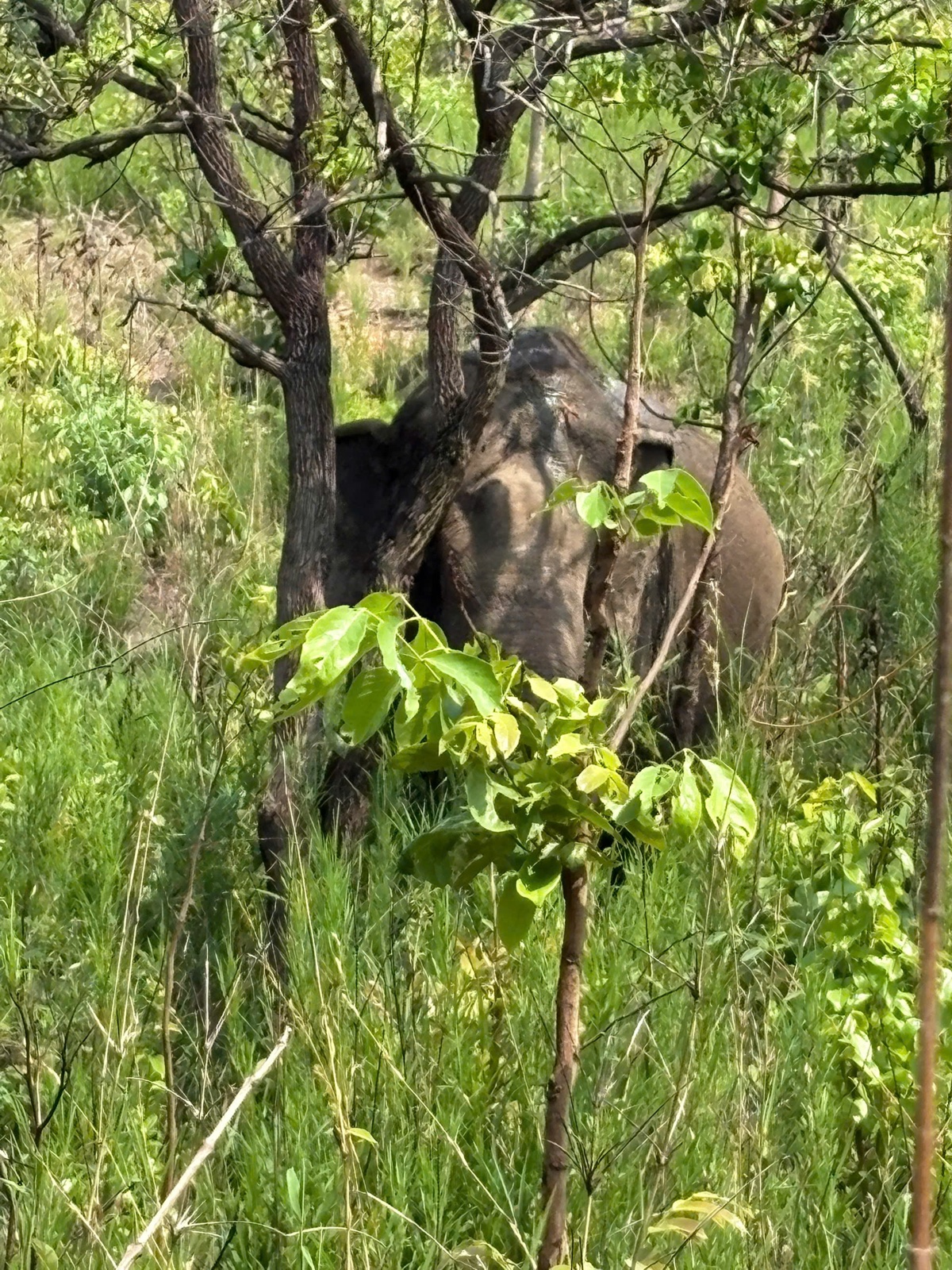
The elephants at our partner site wear no chains around their necks, no saddles on their backs, and perform in no shows. They graze freely in open grassland, walk where they wish, and the local mahouts — M'Nông men whose families have known these elephants for three or four generations — stand nearby only to protect and observe.
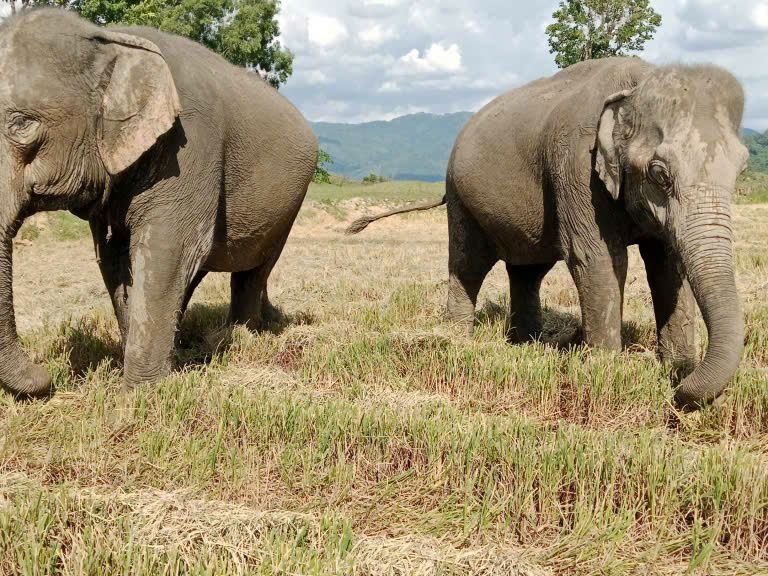
Guests do not feed the elephants, do not walk close, do not reach out to touch. We simply watch from a safe distance — because that step back is itself a form of respect. It lets the elephants keep their natural behaviour: to forage when they wish, to move with the herd, to live by the instincts of an elephant. If we are lucky, the mahout stands beside us and tells the story of that particular elephant — how old she is, what leaves she likes to eat, how long she has been part of his family.
No riding. No feeding. No touching. No show. Just a quiet window — because at that distance, the elephant is still an elephant, not a creature waiting to be fed by tourists.
Over the past few years, local elephant conservation partners have worked with the M'Nông community to shift the old riding model into something friendlier — where elephants are treated as sentient beings, not as vehicles. It has been a slow, difficult journey. Every group of guests who choose "no riding" is a small vote for that direction.
Lunch by the lake — a taste of the highland
Lunch is served in a small stilt house facing the water. Braised freshwater fish, a bitter-eggplant salad tossed with pork belly, sour wild-leaf soup, and warm sticky rice fresh from a bamboo tube. Nothing elaborate, no printed "specialty menu" — just what the host family cooked with what came home from the morning market.
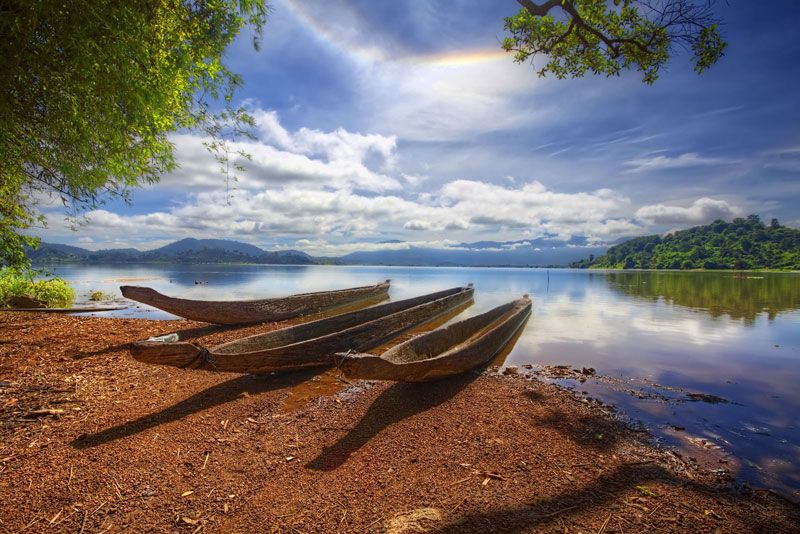
Sitting inside a stilt house, wind slipping through the wooden slats, the occasional soft knock of a dugout canoe against its post at the pier — you realise some lunches don't need to be photographed. Some lunches just need to be sat with.
Afternoon — the hands of a M'Nông potter
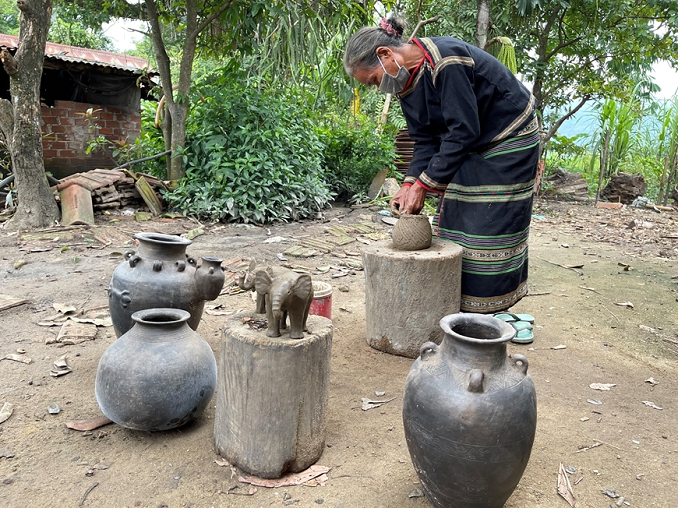
Leaving the lake, we drive another half hour to a traditional M'Nông pottery village. Here, pottery is not thrown on an electric wheel. The potter walks around the clay, using her hands and a piece of coconut shell to shape the vessel.
This is the oldest surviving pottery technique in the Central Highlands — thousands of years old, passed down through generations of women in the village. Men do not make pottery; women do. Small children watch their mothers shape clay before they can walk, and one day will shape their first vessel with their own hands.
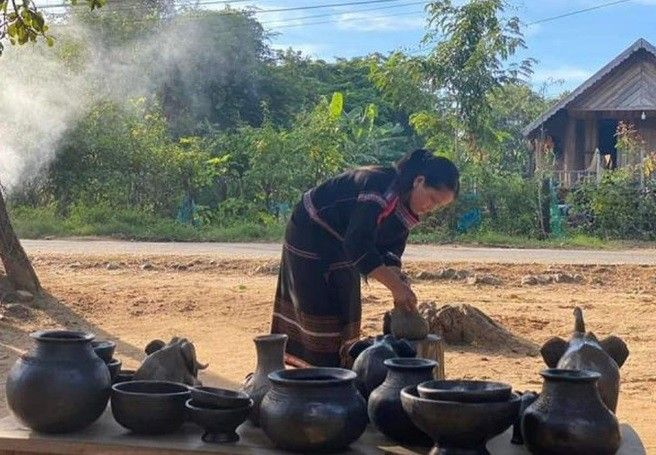
Lonature guests are invited to lay a hand on the clay and turn it slowly alongside the artisan. Nobody expects a beautiful vessel in half an hour. What lingers is the softness of clay under the palm, and a much larger respect for hands that have done this work for a lifetime.
Ripe cacao in the orchard
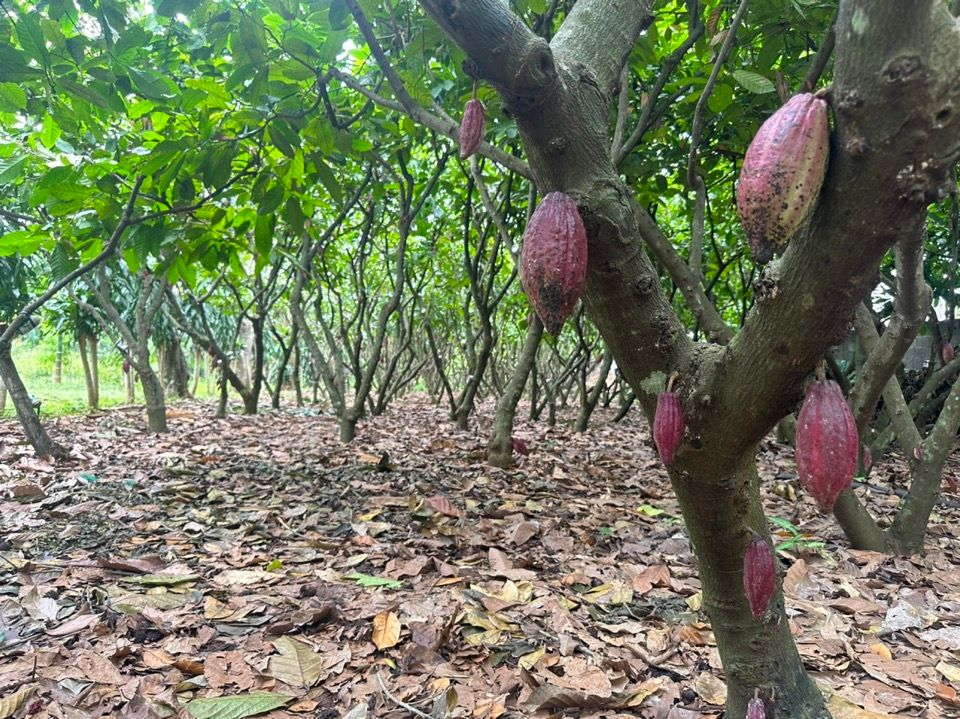
Not far from the pottery village, a cacao orchard opens up unexpectedly on the highland. Many are surprised to learn that Dak Lak grows cacao — but the red basalt soil and elevation above 500m give the local cacao a deep aromatic bean, prized by small artisan chocolate workshops across Vietnam.
Deep-red and purple pods hang ripe from the trunks like small lanterns. You crack one open, taste the white pulp around the seeds — an unexpected mild sourness, nothing like the packaged chocolate bar you know.
Elephant Rock — Vietnam's largest monolith
The final stop of the day is Elephant Rock. The name sounds modest, until you stand at the foot of it and realise this is the largest monolithic stone in Vietnam — a colossal single boulder rising out of the rice fields, smoothed as if carved by time itself.
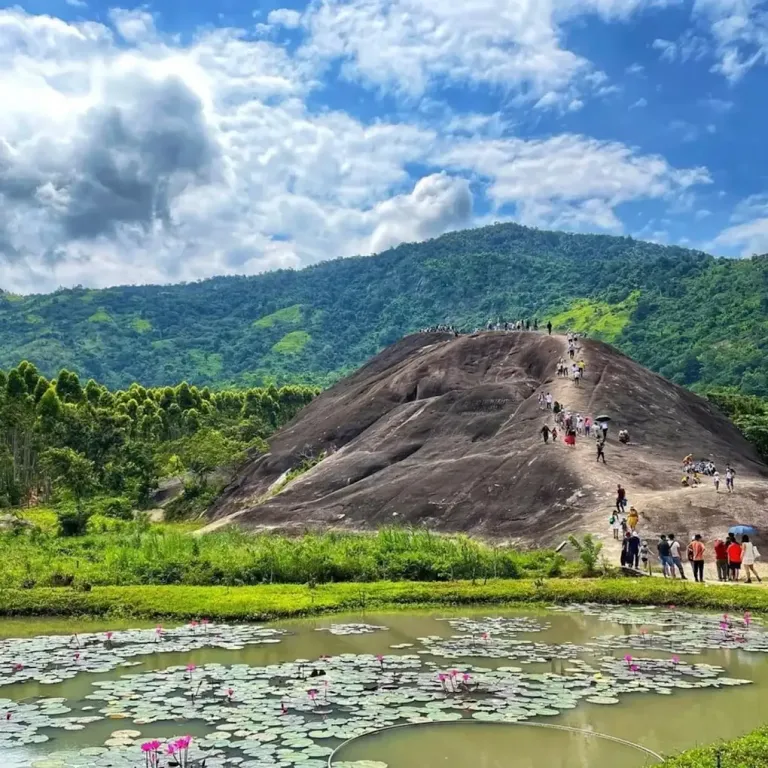
Locals believe the stone is the shape of a giant stone elephant lying at rest. On late afternoons, when the sun slips behind the rock, its shadow stretches long over the lotus pond — and you begin to understand why the legend has lasted for centuries.
Back to BMT — a different Dak Lak
Seven in the evening, the van pulls back into BMT. Just one day. But long enough for you to carry home a different Dak Lak — not the Dak Lak of coffee filters and beer tables, but the Dak Lak of a still lake, of a potter's hand, of an elephant standing quiet in the grass.
Slow travel is not about doing less. Slow travel is about choosing a pace that lets you stop, look longer, and go home with a real story.
If you want a day like this — slow, quiet, enough — write to Lonature. We keep group sizes small so that the elephants are not disturbed, the potters do not have to perform, and you get to truly rest inside your holiday.
🌿 Live Green · Travel Green