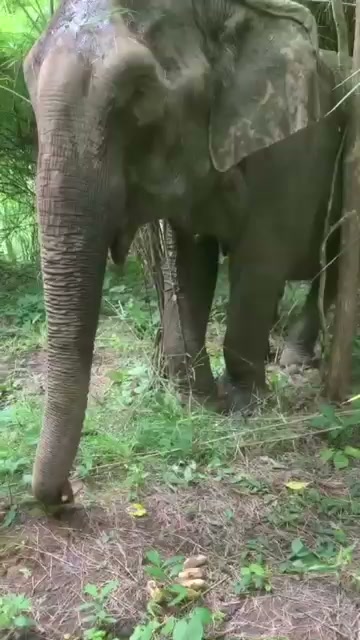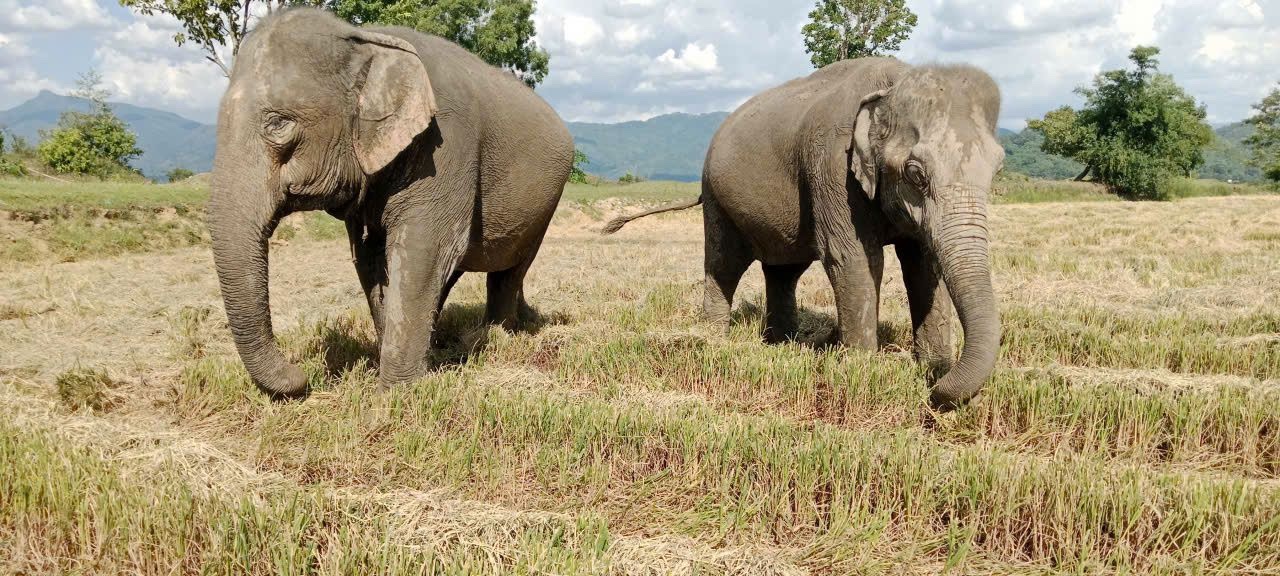
On a morning at the end of dry season in Đắk Lắk, two large grey silhouettes wade across a shallow stretch of river. Their skin coated in a thin layer of pale mud, trunks splashing water over each other's backs, they walk slowly toward the far bank.
Behind them lies the old village, where they have lived and worked for nearly their whole lives. Ahead lies a free forest. The two elephants are named Ana Tuk and Ban Nang. They have walked together for more than twenty years.
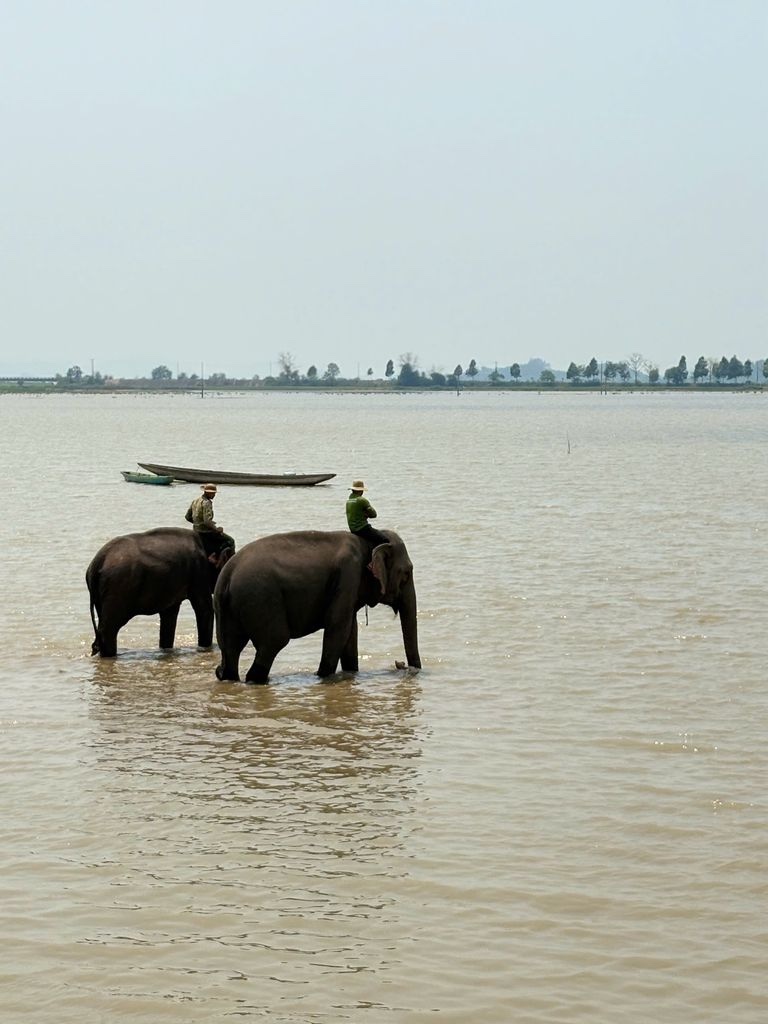
A twenty-year friendship beneath the forest
Female elephants are deeply social and emotional. Whether in the wild or in captivity, inseparable pairs like Ana Tuk and Ban Nang are bound together by a unique biological tie.
Natural bond: When one stands to rest, the other stays a few steps away, trunk lightly touching her friend's shoulder. When one seeks the shade of a tree, the other quietly follows.
Inseparable: For elephants, suddenly separating two close individuals can cause severe psychological distress. So when Ana Tuk stepped into a new chapter, Ban Nang had to come along.
When humans and elephants are interwoven
This journey to freedom was opened up by the deep understanding of the local mahouts themselves. Khải (Ana Tuk's mahout) and Khoa (Ban Nang's mahout) are childhood friends who grew up in the same village. They took the two elephants over from their families and have cared for them together — knowing their temperaments from the faintest call.
When the mahouts and the owner families chose, together, a better future for the elephants, a historic shift took place. The shallow stretch of river crossed that day became the boundary between the old model and a life where elephants are given back their original instincts.
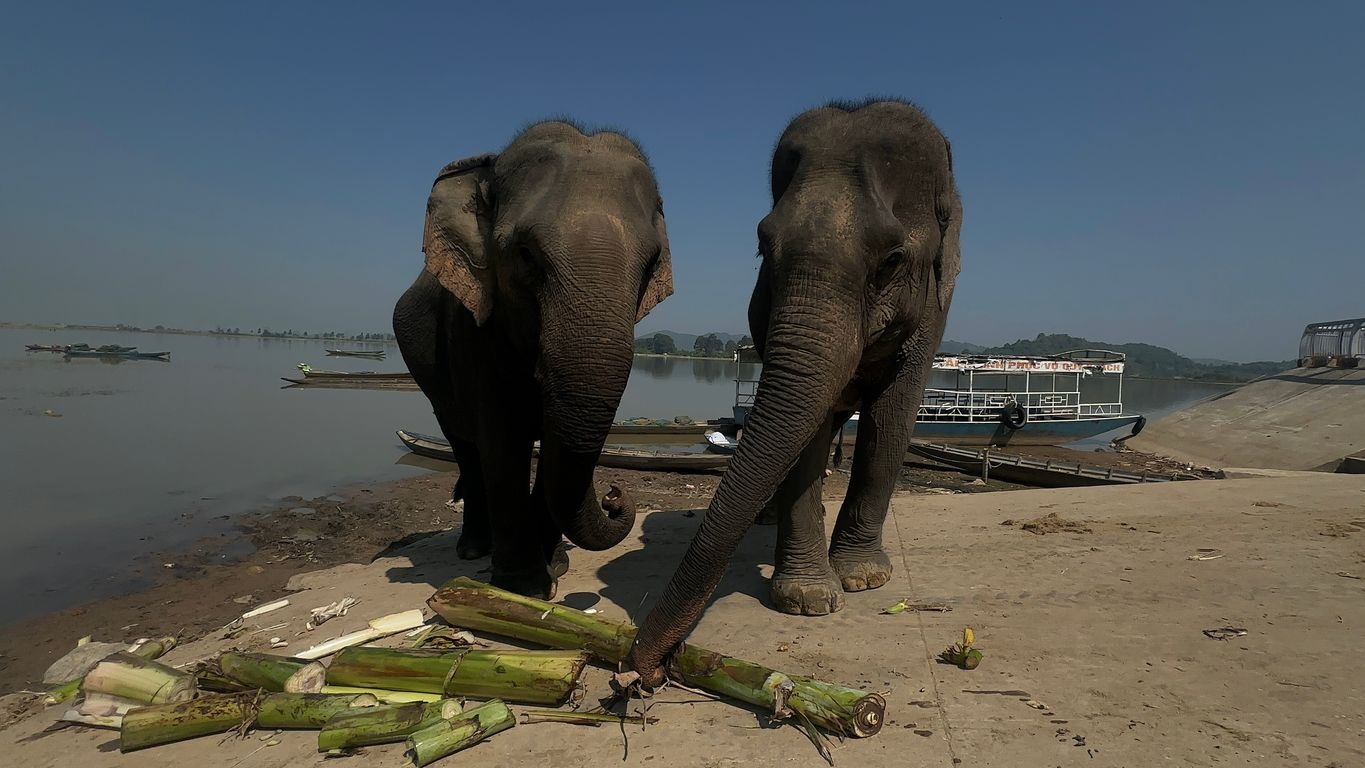
Đắk Lắk and the future of the last captive elephants
In the 1980s, Đắk Lắk had more than 500 captive elephants. Today, the number is below 37. The pressures of the old elephant-riding tourism model have significantly shortened their lifespans.
In the new forest, Ana Tuk and Ban Nang will live an entirely different life:
No carrying people, no performances, no chains.
Free to walk the forest, free to bathe in mud, free to break leaves to eat and sleep under a shelter to the sound of the forest.
Humans only observe from afar, respecting their living space.
Lonature is proud to walk alongside this journey, connecting conscious travellers with the friendly elephant-observation model. The change in your choices when you visit Đắk Lắk is a direct source of support that helps sustain the livelihoods of the mahouts' families — so that the footsteps of Ana Tuk and Ban Nang in the old-growth forest will never be hurried again.
Each new morning, the two old friends walk into the forest together — peaceful and free, exactly where they belong.