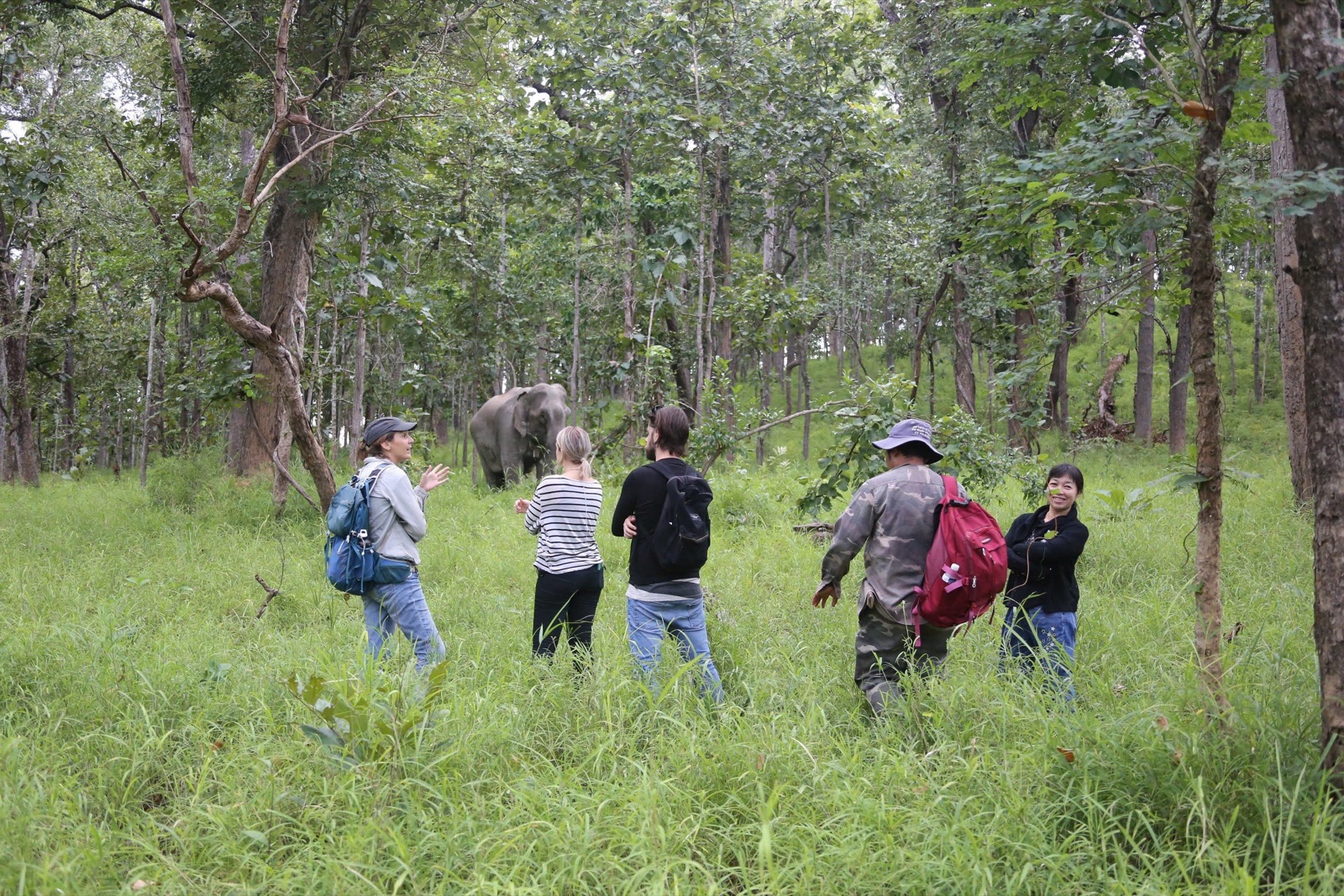
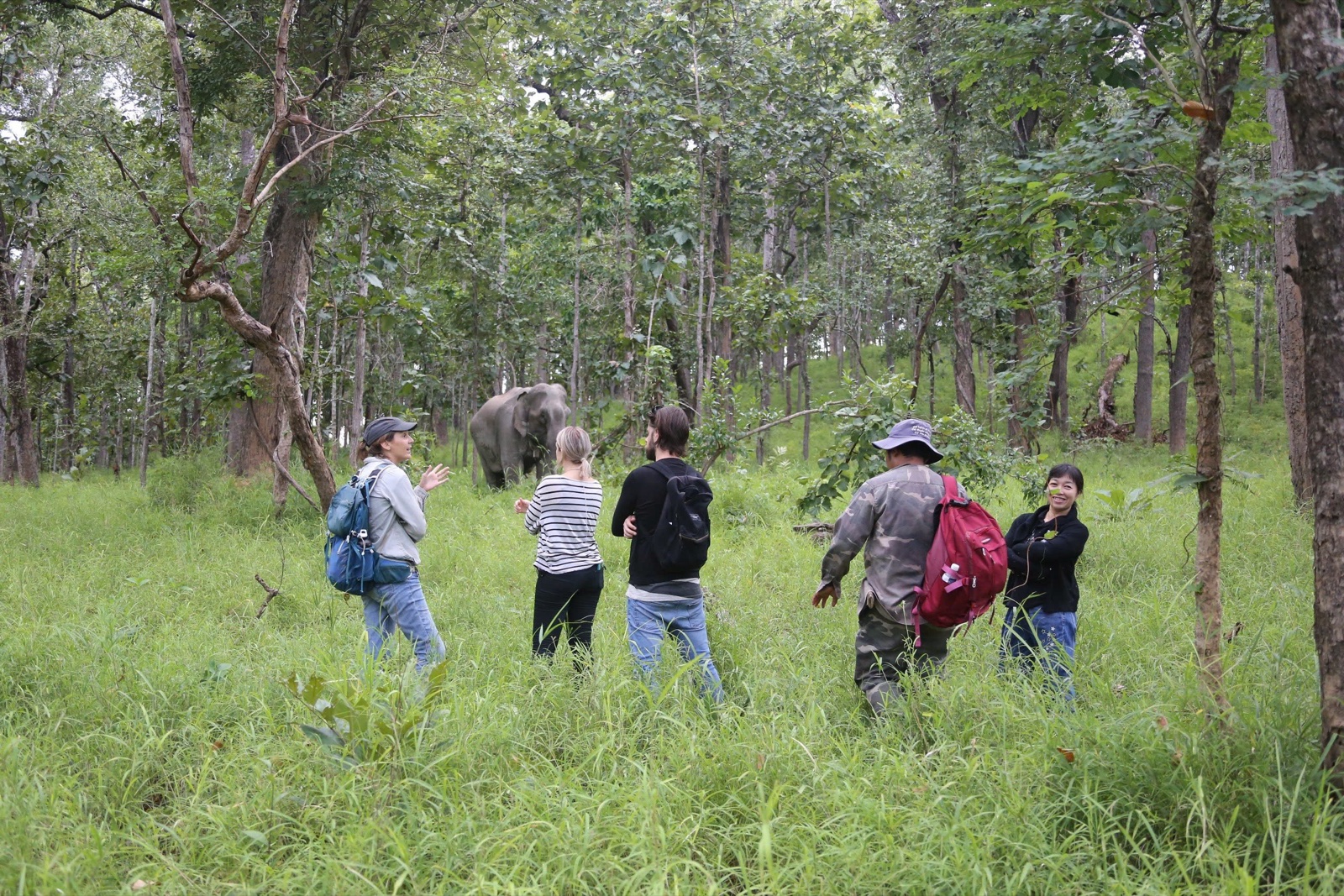
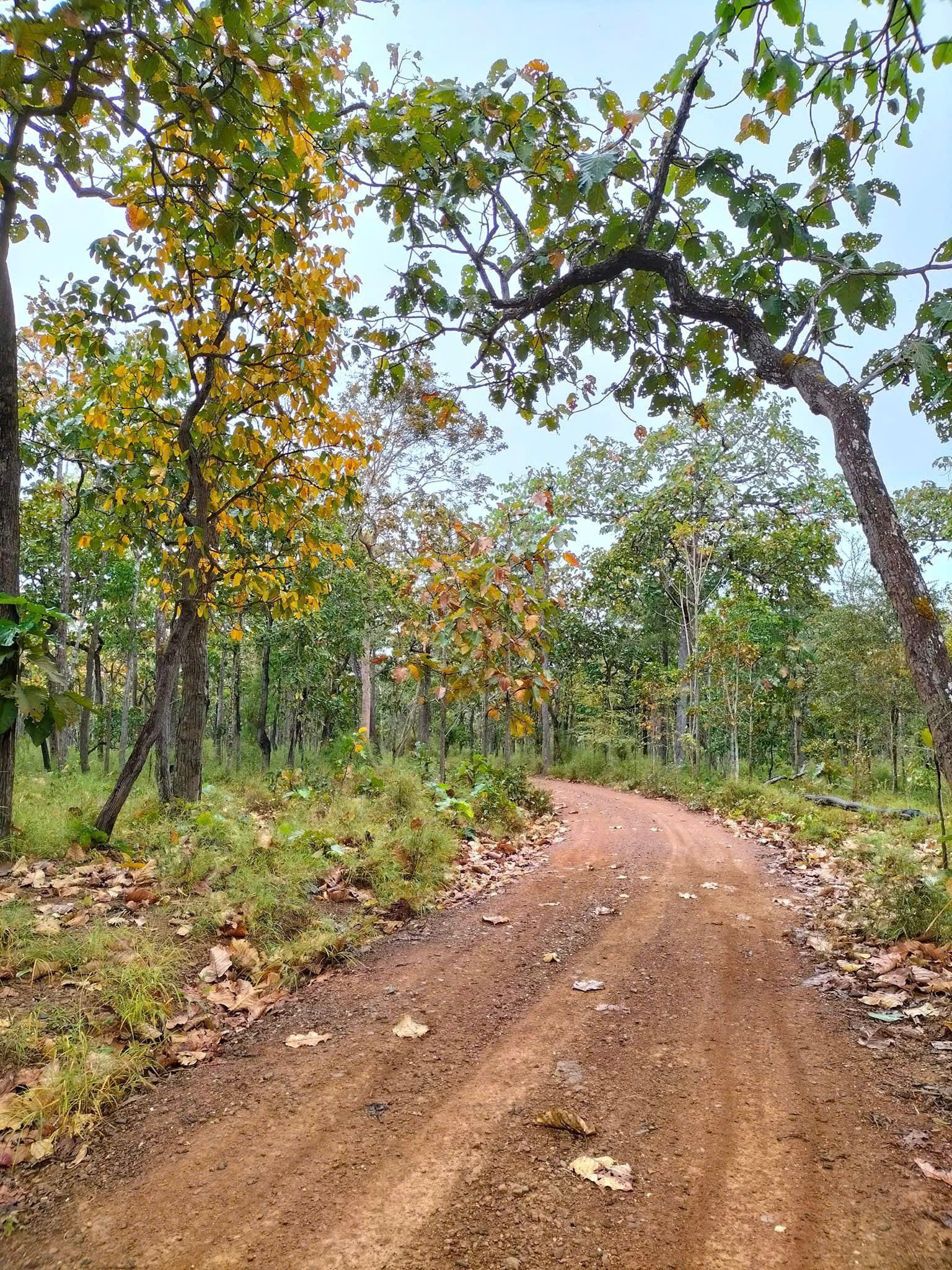
On a late afternoon in the dipterocarp forest of Đắk Lắk, you walk about twenty steps from an elephant. The elephant is curling leaves with its trunk, its head swaying gently, its ears flapping. There is no wooden seat on its back. There is no chain dragging at its feet. There is no person standing behind with an iron hook. A real ethical model does not need slogans to dress itself up. It reveals itself through small details exactly like these. This piece collects five signs you can observe in half a day to tell whether a place is worth visiting. Once you know the five signs, you will start to notice how many online ads use the right words but operate in the opposite direction, and you will protect your own expectations before you ever open your wallet to book a tour.
A real ethical elephant sanctuary starts with a strange question
A few seasons ago, a Dutch elephant welfare expert known in the forest as Dionne stood in front of a young visitor group near Buôn Đôn to explain her reasoning. She opened with a reversal of the usual question: "If you ask the elephant, what would it want?"
That single question is the simplest way to separate a real ethical elephant sanctuary from a model that simply borrows the word ethical as a wrapper. One side designs the day from the elephant's point of view, the other from the visitor's photo schedule, bath time, and feeding window. Two ways of thinking lead to two completely different operations. One organises the elephant's day around the species' physiological and social needs. The other organises it around tourist demand. When you arrive at a sanctuary, the first sign worth noticing is not the scenery but the question the management is answering each morning as they plan the elephant's day. That answer is never printed on a sign, but it shows up very quickly during the first fifteen minutes inside the area.
Sign 1: Four "no's" you can count on your fingers
Dionne summarises the core of an ethical sanctuary model with four short rules:
- No riding. The elephant cannot see a person sitting on its neck, and the act offers no benefit to the elephant. An elephant spine and shoulder muscles are not designed to carry sustained loads, especially with a wooden seat and footrests.
- No hand feeding. When an elephant gets used to receiving food from a visitor hand, its behaviour can become demanding, even aggressive. Its diet also shifts quickly toward sugar and starch, neither of which suits the species' digestion.
- No touching, no patting. Elephants are not house pets. Forced closeness usually causes stress, and the more an elephant grows accustomed to free contact, the harder it becomes to keep safe boundaries for both sides.
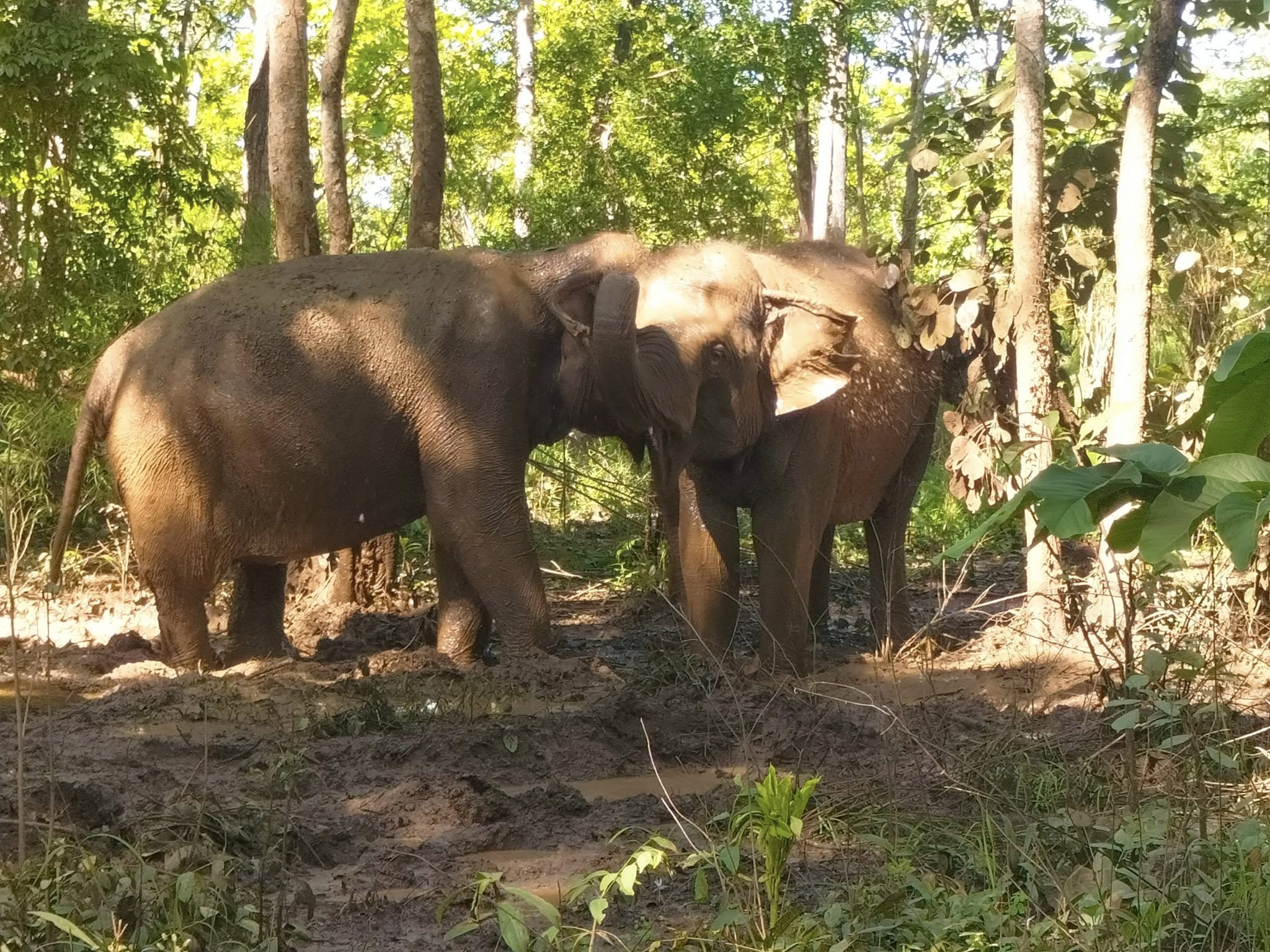
- No bathing the elephant. Rivers and mud are where elephants have taken care of their own bodies for millions of years of evolution. When people step into that moment, the elephant loses its private space, and the water becomes a hazard. One startled jolt of the elephant mid-river can break a human bone.
These four no's sound simple, but they are the fastest field test. If you stand inside a sanctuary area and see any of these four activities sold as a "friendly experience", that is a decorated ethical model rather than a real sanctuary. These four rules are also the anchor for how Lonature walks alongside local partners on captive elephant welfare in Đắk Lắk. Another phrase to stay alert to is "bathing with the elephant", which still shows up in many brochures, sometimes paired with photos of visitors sitting close to the elephant in water. When you see that image, even if the caption uses the word ethical or sanctuary, you should still check it against the four no's before booking.
Sign 2: Elephants roam, bathe in mud, and forage on instinct
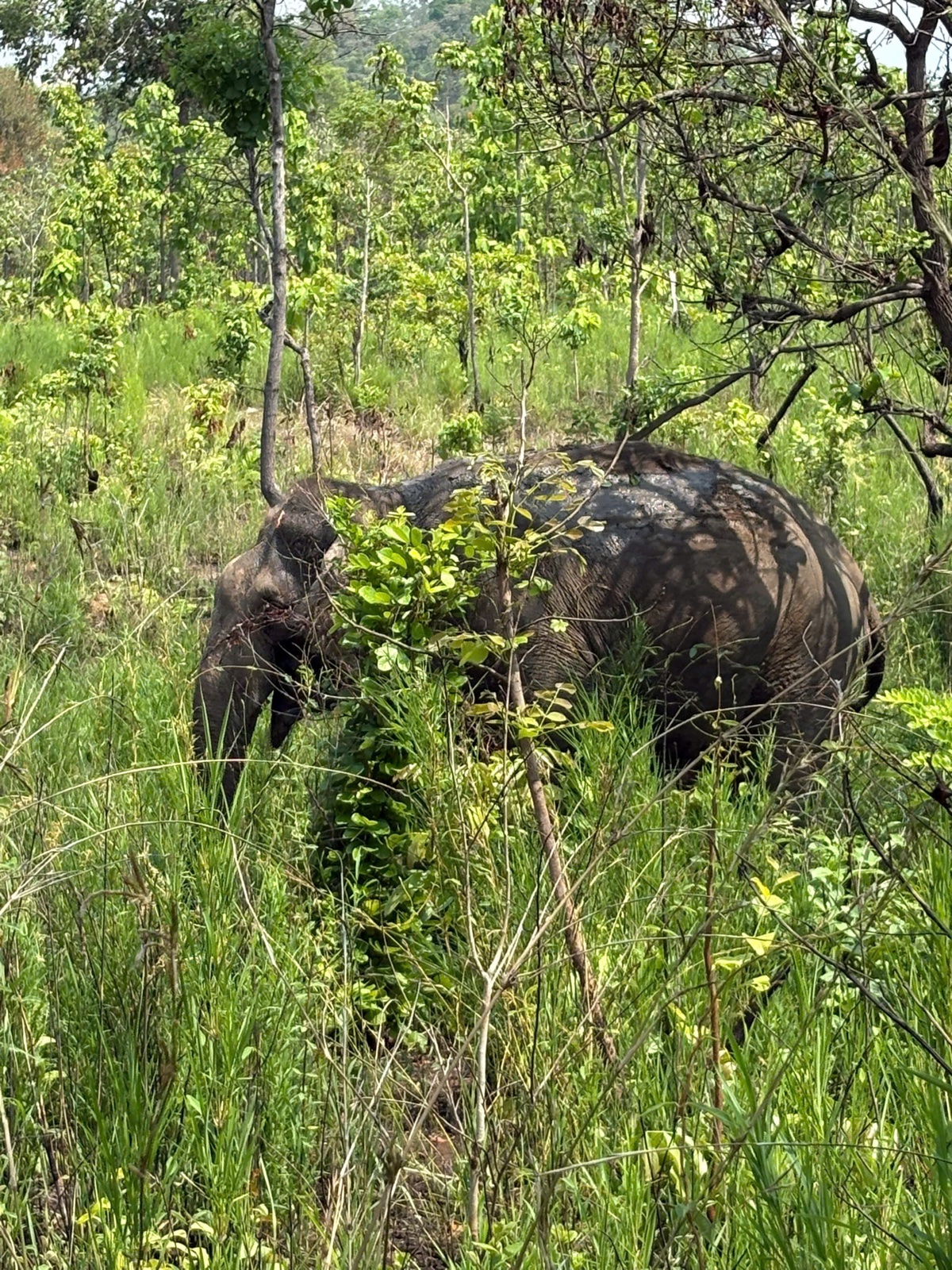
In a real ethical elephant sanctuary, elephants do not have a performance schedule. In the early morning they head into the forest, stop at patches with their preferred grass and leaves, rest under large canopy at midday, and head for a stream or mud pool in the afternoon. That is how elephants have lived with the dipterocarp forests of the Central Highlands (Tây Nguyên) for centuries, long before they were drawn into the performance trade.
On a tour at a sanctuary meeting this standard, visitors observe from a safe distance, usually fifteen to twenty metres. No one pulls the elephant away from the path it wants to take. The mahout (elephant keeper) walks along to keep visitors safe, not to choreograph a scene. The elephant may also decide to wander out of sight for half a day, and that is normal, not a tour failure. Some visitors used to fast tourism feel let down at this point, but that is exactly the moment a real ethical tour begins.
A sanctuary only holds up if the forest around it is wide enough and varied enough in plant life to feed elephants. A single domestic elephant can eat between two hundred and three hundred kilograms of leaves daily. If a model advertises "free-roaming elephants" but contains only a small fenced patch, it may be a half-measure, half-pen, half-forest. Another quiet test is the evening. Does the elephant return to its family, or is it tied in a holding area overnight? That is a large difference between the two models. The evening is also when you can listen to the surrounding sounds, whether forest birds and insects are still audible, because a long-occupied elephant area will always come with a living ecosystem, not an artificial silence.
Sign 3: Mahouts are supported, not replaced
Mahouts, or elephant keepers, are people who have spent many years, sometimes decades, alongside their elephants. In the M'Nông and Ê Đê communities of Đắk Lắk, the relationship between a mahout and a household elephant is closer to a family bond than to an owner-and-animal arrangement. A real ethical elephant sanctuary does not remove mahouts to replace them with tourism staff. Instead, the model walks alongside mahouts, helping them shift from a riding-based income to an observation-based income.
This is the part rarely told in hurried introductions:
- Mahouts are not the source of the problem. They are the last line of defence for captive elephants.
- Mahouts need a level of income that allows them to keep feeding their elephant. An elephant eating 250 kilograms of leaves per day is a real cost.
- When visitors pay for the ethical model, they are paying both the elephant and the keeper.
- When visitors pay for riding and performance, they push the whole system back into the old shape.
A sanctuary model where you arrive and notice mahouts standing aside, without a role, may be a place that has pushed indigenous people out of their own story. A real ethical sanctuary usually has mahouts standing a few steps away from the elephant, watching quietly, ready to step in if needed, without interrupting the elephant's natural behaviour. That role requires trust built over many years, and it cannot be trained in a few weeks. When you reach the right place, you will see mahouts and elephants looking at each other with a kind of familiarity that is hard to describe. The elephant knows where this person is heading, this person knows whether the elephant is anxious or relaxed, and the two read each other like old friends walking the same forest path.
Sign 4: The sanctuary treats the forest as the elephant's home
A line Dionne repeated that afternoon: "We are entering the elephant's home. So we need to respect that."
The sentence sounds like a slogan, but it has concrete consequences. In a real ethical sanctuary, you will not hear background music inside the elephant's living area. You will not see camera flashes aimed at an elephant's eyes. You will not be invited to crouch next to an elephant's face for a close-up. You will also not find tourist plastic litter left along the trail. All of those details are expressions of a very simple answer. The forest is not a stage, and the elephant is not a prop.
"An elephant is not an animal to ride. The elephant is a great friend of our family. A visitor only needs to stand and watch it eat, watch it bathe, and that is already enough."
A real ethical sanctuary also tends to have clear limits on the number of visitors per day. Not because elephants cannot tolerate many visitors, but because the forest cannot. Trails trampled too often start to erode, and loud noise drives away birds and small wildlife. An ethical elephant tourism model cannot survive if it breaks down the very ecological floor that feeds the elephants. This is where Lonature's slow travel commitment meets the captive elephant welfare commitment. Slowing down is not only for the visitor, but also for the forest. On some days in the dry season, the air in the dipterocarp forest of the Central Highlands carries a very fine layer of dust, leaves go brittle underfoot, and the call of a woodpecker travels farther than usual. A sanctuary with real ethics will cap visitor numbers on those days, sometimes to the point of turning down a large group, because it understands that the forest is in a more fragile state than in other seasons.
Sign 5: Visitors come to learn, not to watch a show
The final sign sits on the visitor's side. A real ethical sanctuary usually opens the tour with a short briefing, sometimes only fifteen minutes, but enough for visitors to understand. You are not here to be served. You are here to learn, to observe, to walk lightly inside the elephant's home. If you do not see an elephant for half a day, that is still a complete day.
This is where many decorated ethical models break down. They advertise a "sanctuary experience" but still keep an unspoken promise to visitors that "you will get to touch an elephant, you will leave with beautiful photos, you will join activities". As long as that promise is baked into the product, the model still runs on visitor demand rather than elephant need.
Lonature walks alongside local partners on captive elephant welfare in Đắk Lắk, and part of that walking is helping visitors adjust expectations before they ever board the car. Before entering the forest to observe elephants, visitors usually receive a short document about the four no's, about the possibility that the elephant will not appear, about the heat and quiet of the forest. When expectations are set correctly, the sanctuary experience becomes a slow learning afternoon in the dipterocarp forest, not an outdoor performance. Lonature is one link in this longer chain, and your presence is itself a contribution.
Some visitors arrive simply curious, and leave with a new question about their own next trip somewhere else. That is the quietest reward of a real ethical sanctuary. It changes how you read animal tourism anywhere, not only Đắk Lắk. After a morning of watching elephants walk into the forest, you will start to question the destinations you used to take for granted that still advertise elephant riding and elephant performances, and you will realise you now carry a personal yardstick to filter them.
One small question to take with you
If the five signs above had to fit into one question for your next booking, it might be this. "In one day here, who is being served, the elephant or me?" A real ethical elephant sanctuary will answer without hesitation. They serve the elephant first, and they create the conditions for you to learn how to serve the elephant too. That small reversal is what separates ethical slow travel from its decorated version. A day like that is not loud, not rushed, and many visitors say they leave the city with a kind of quiet very different from the fast trips they took before.
You can also bring three smaller questions to your booking conversation. First, how many visitors are allowed in the same group inside the elephant area on a single day. Second, what happens if the elephant decides not to walk near the visitor route, and how does the team explain that to the group. Third, who designs the elephant's daily schedule, and what role do the mahouts and their families have in that design. The answers to those three questions will tell you more than any glossy brochure. They reveal whether the operator has the language of ethics or only the marketing layer of it. They also reveal whether your booking money goes toward the long, quiet work of supporting families who keep elephants, or toward the short, loud work of selling photos.
An afternoon spent watching an elephant choose its own path through the forest tends to stay with you longer than the photos you take of it. Many international visitors arrive expecting an activity-driven schedule, and leave realising that observation itself can carry more weight than touch. The slowness becomes the point of the trip rather than an obstacle to it. By the end of the day, the air, the leaves, the long shadows of the dipterocarp canopy, and the steady steps of the elephant in front of you settle into a single memory that does not need a souvenir to last. That kind of memory is what an ethical elephant tourism model in the Central Highlands gives back to the visitor.
If you would like to spend a day observing free-roaming elephants in the dipterocarp forest of the Central Highlands, you can start with Lonature's 1.5-day elephant experience or the full-day version for fuller observation time. Your presence is itself a contribution to captive elephant welfare in Đắk Lắk. Reach out via [email protected] to plan a slow-travel itinerary in Đắk Lắk.